UPS energy storage as the first layer of power resilience
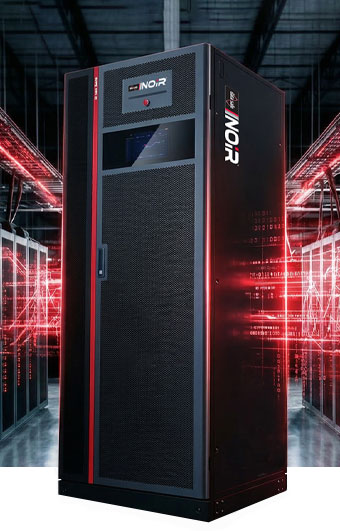
When a power interruption or dynamic workload event occurs, UPS energy storage systems provide the immediate energy required to maintain operations while backup generators start, grid supply is restored, or the spike in synchronized power draw is controlled. UPS energy storage systems therefore act as a critical bridge between primary power loss and secondary power availability.
Data center outages are less frequent, but the impact remains significant
The latest Uptime Institute Annual Outage Analysis shows encouraging progress: for the fifth consecutive year, both the frequency and severity of data center outages have continued to decline.1 This trend reflects industry-wide improvements in infrastructure reliability, risk management, and the adoption of advanced resiliency strategies. Infrastructure resilience has improved across the industry, even as demand for digital services grows at an unprecedented pace.

Read more: Data Center Outages Are Declining, But Here’s Why You Still Need to Prepare
However, while outages are less frequent, their severe financial impact remains a threat. According to the Annual Outage Analysis report, 1 in 5 respondents said their most serious recent outage cost over $1 million for the second year in a row. This escalation underscores a critical reality: even a single failure can have significant operational and financial consequences for business and reputation.

Read more: WHY YOUR DATA CENTER’S BIGGEST THREAT MIGHT BE THE POWER GRID
Dynamic workloads introduce new layer of complexity for UPS energy storage
Reserve power in case of an outage remains a key function of UPS energy storage systems. However, data centers with dynamic workload profiles can also require the same systems to regularly absorb sudden synchronized spikes in power demands.
For example, AI training — the process of building and refining AI models — can involve synchronized power draw across entire GPU clusters, as opposed to more dispersed user-driven demand.
Testing data by the North American Electric Reliability Corp (NERC) from a 50MW block within a 200MW AI training data center shows the fastest ramping period to be around 1.9 per unit per second for around 250 milliseconds.2
Dynamic workloads reinforce the importance of both high-rate discharge to be able to absorb spikes in demand, and high-rate recharge to be able to deal with consecutive events in quick succession.