WHY ARE UTILITIES STILL USING YESTERDAY’S TECHNOLOGY?
Utilities are under pressure like never before:
- Grid outages cost the U.S. economy an estimated $150 billion annually1.
- Sustainability reporting is now a board-level priority, with Scope 2 emissions under scrutiny2.
- Skilled labor is in short supply, with a projected 20% workforce gap by 20303.
- By 2030, utilities will need to integrate 40% more distributed energy resources (DER), increasing reliability demands4.
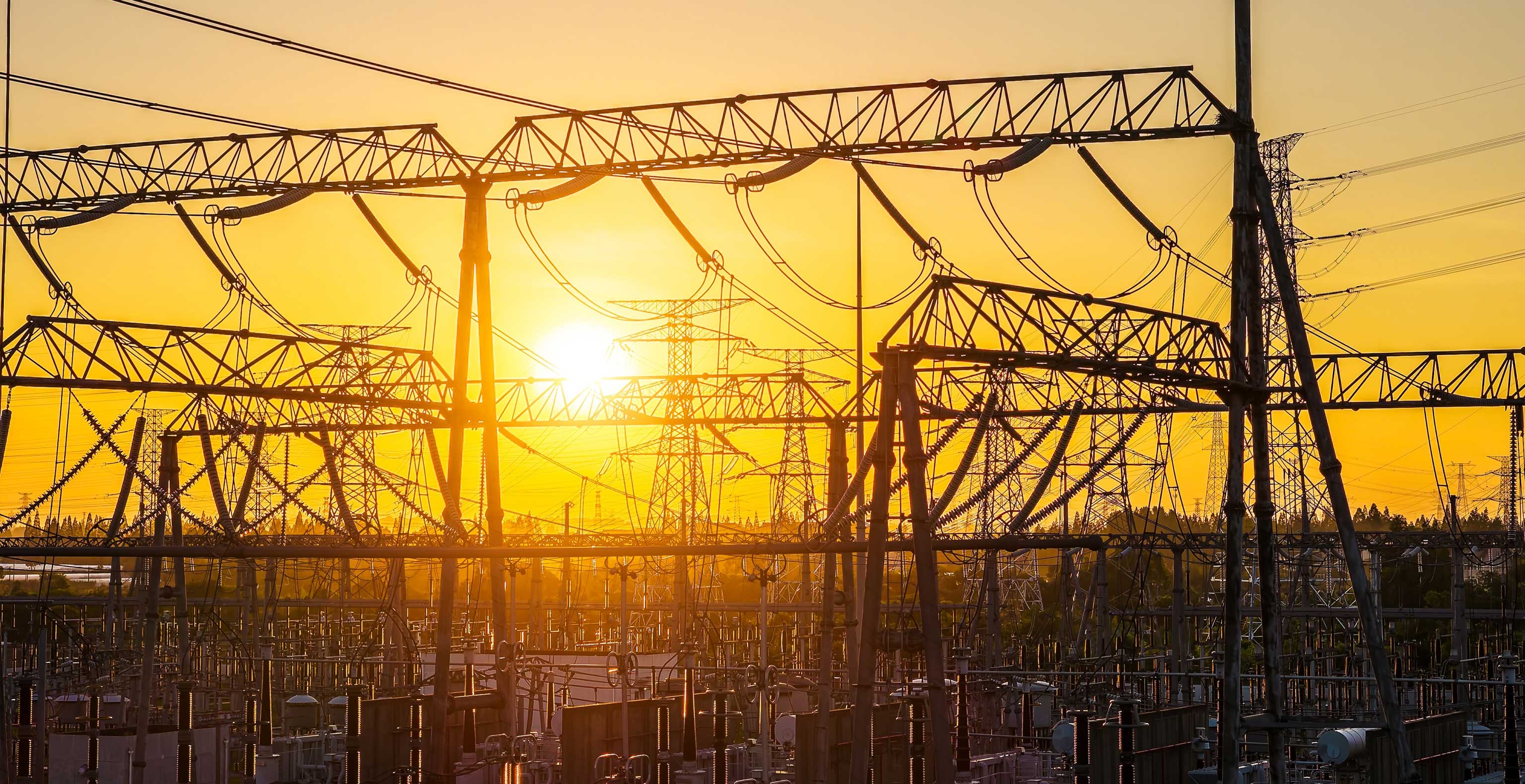
Yet despite these challenges, many substations are still relying on backup battery systems designed decades ago. Systems that were never built for today’s demands, including digital substations, distributed energy resources (DER), and zero-tolerance reliability standards.
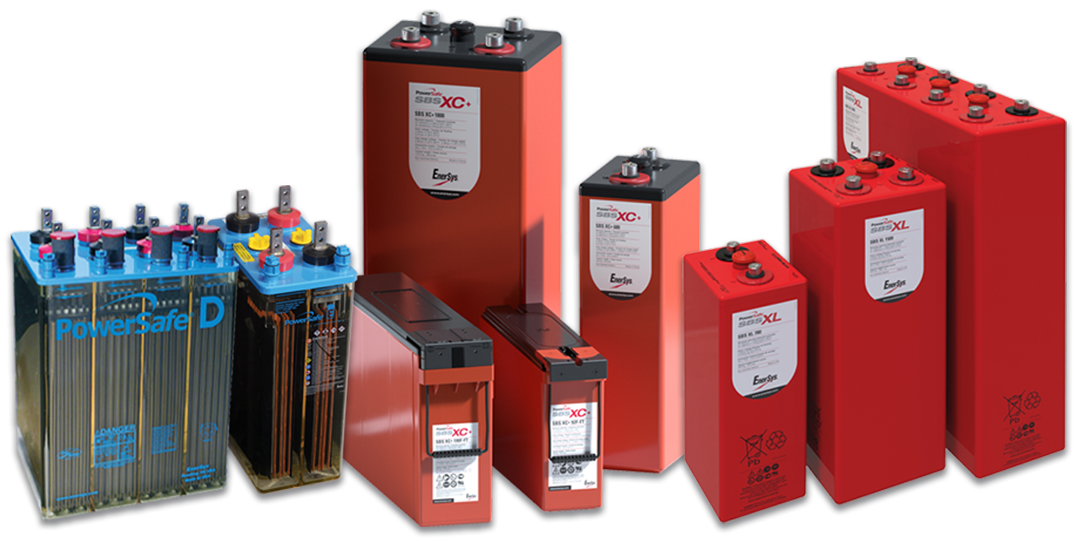
What many utilities may not fully account for is that legacy Vented Lead Acid (VLA) batteries, while still widely used, can introduce higher maintenance demands, increased site visits, and greater operational overhead compared with advanced Valve-Regulated Lead Acid (VRLA) battery alternatives.
THE ASSUMPTION: “LEGACY BATTERIES ARE GOOD ENOUGH”
For years, flooded (VLA) in North America and VRLA batteries in EMEA have been the workhorses of the grid. They’ve done their job. But the job has changed, and these systems haven’t.
Many utilities assume that sticking with legacy batteries is the safe, cost-effective choice. That’s not always the case.
- Maintenance is relentless: watering, venting, corrosion checks.
- Every site visit costs money and emissions: Based on typical industry estimates, each maintenance visit can cost around $1,200 in labor and travel.
- With IEEE-recommended inspection intervals and additional routine checks , maintenance requirements for flooded (VLA) battery systems can lead to recurring operational costs and increased site visits5.
When multiplied across a substation fleet, these requirements can represent a substantial and ongoing operational burden—before considering the environmental impact of those truck rolls.